The “Sanctuary” Trap: How Cult-Style Compounds Use the “Eco-Village” Mask for Human Trafficking
The dream of alternative living is incredibly powerful. Whether you are looking for an intentional community, an affordable tiny home on wheels (THOW) campground, a co-housing space, or an “eco-village,” the desire to escape mainstream chaos and live authentically with supportive, like-minded people is deeply honorable.
But a dangerous trend is growing across the country. Predatory operators often veterans of high-control backgrounds like the “troubled teen” industry are using the polished language of community, sustainability, and neurodivergent acceptance as a psychological smoke screen.
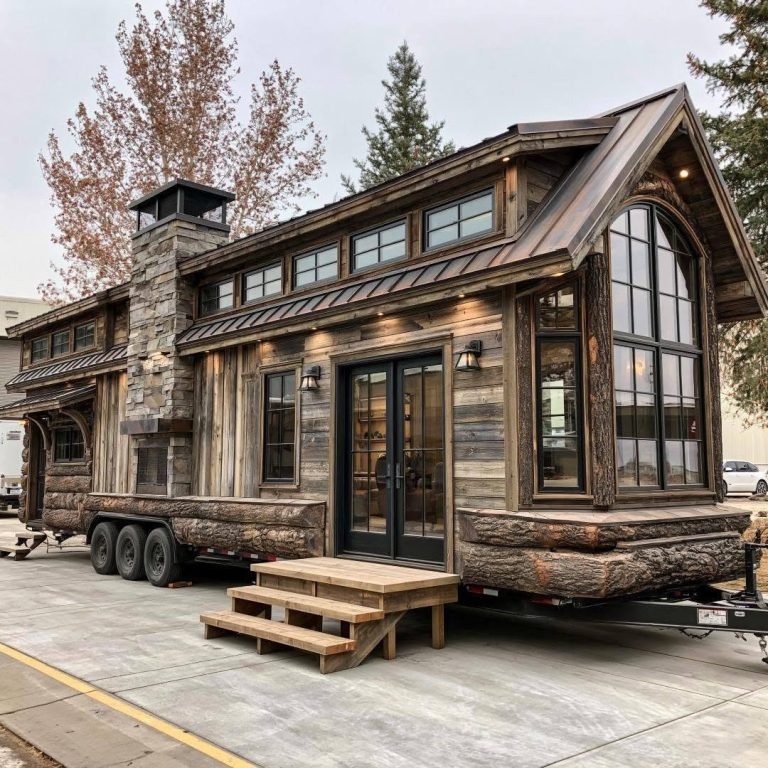
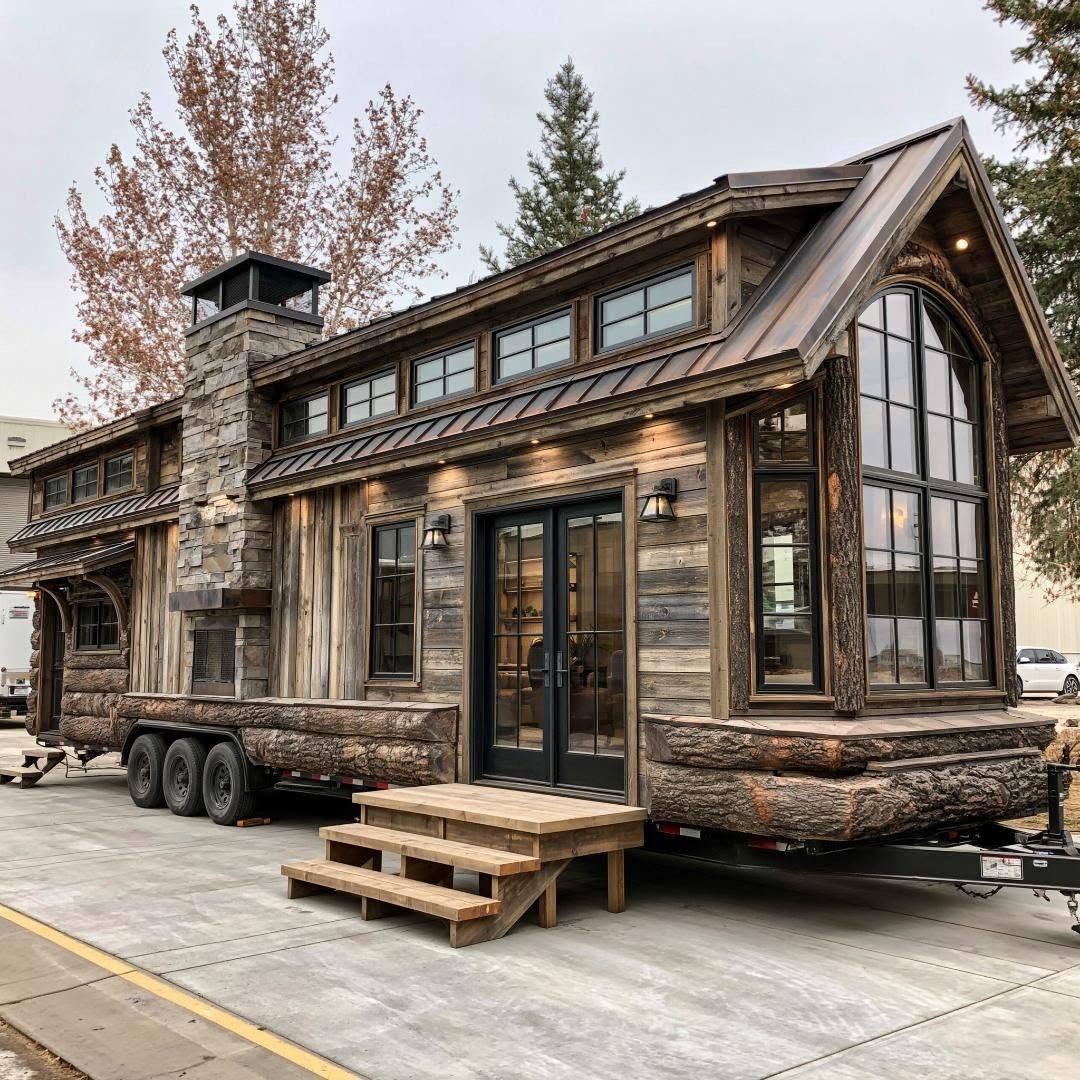
They build websites advertising a peaceful sanctuary. But the moment your home is physically rolled onto their dirt and you are dependent on them for housing, the mask drops. What you thought was a cooperative eco-village turns out to be an unpermitted, high-control compound running an active financial fraud and labor trafficking ring.
Because these setups rely on extreme deception, you cannot spot them by their ads. You have to look for the structural, financial, and psychological red flags that expose the trap during a tour or an initial phone call.
───
🚨 Red Flag 1: The “Any Labor” Rule (The Constitutional Line)
In a normal, legal rental agreement, you pay rent in exchange for a safe space to live. That is where the transaction ends.
• The Reality: The moment a landlord inserts mandatory physical labor into a housing contract—whether they call it a “community contribution,” a “labor share,” or an “eco-duty”—it changes from a standard lease into a high-control system.
Why it’s a trap: It allows them to slowly turn up the pressure. It starts with an hour of gardening, escalates to working on their private property, and ends with them threatening you with immediate homelessness if you don’t build their commercial infrastructure for free. In the United States, forcing someone to perform manual labor under the threat of losing their basic needs is illegal [Civics].
2. The “Refusing to Sell the Spot” Rule (The Ownership Trap)
When you own a tiny home on wheels (THOW), your home is mobile, but it is still your valuable property.
• The Trap: By refusing to sell you the actual piece of land underneath your home, the operator ensures you remain a tenantwho is completely dependent on their goodwill to keep your housing secure.
Why they do it: They want your rent money and they want your physical labor, but they never want you to have legal equity or real estate ownership. By keeping the land in their name, they can use the threat of a quick local eviction to try and scare you into submission, or use your presence to secure lucrative agricultural tax breaks for their private estate
About the Author